
We have skied about 20 days in the 2025 Rekkie and well over 40 in the 2026. This is what a heads-up display actually does for your day on the mountain, what it does not do for your skiing, and the one number in Rekkie’s marketing that needs context.
What we tested, and why that matters
Almost every Rekkie review online tests the original model. That review cycle happened in 2023, and it produced two consistent criticisms: the display washed out on bright days, and the battery ran down fast in the cold. Those reviews are still the top results when you search, and they are describing hardware that has since been replaced twice.
We own both current generations and have coached in them. That is the gap this review fills. We are PSIA and AASI certified coaches, so the question we care about is not just whether the technology works. It is whether it makes anyone ski better.
A quick note on the name, because it confuses people searching for these. Rekkie call them Smart Snow Goggles rather than smart ski goggles, since they are used just as much by snowboarders. If you have been looking for Rekkie smart ski goggles, these are the same product, and everything below applies whichever plank count you prefer.
What the HUD actually shows
The display sits above your line of sight. That placement matters more than the spec sheet suggests. You look through it rather than at it, and after a run or two you stop noticing it until you want it.
There are two things worth separating here, because the marketing tends to blur them. There is the dashboard, which is the default view you ski with, and there is the menu, which is what you page through when you want something specific.
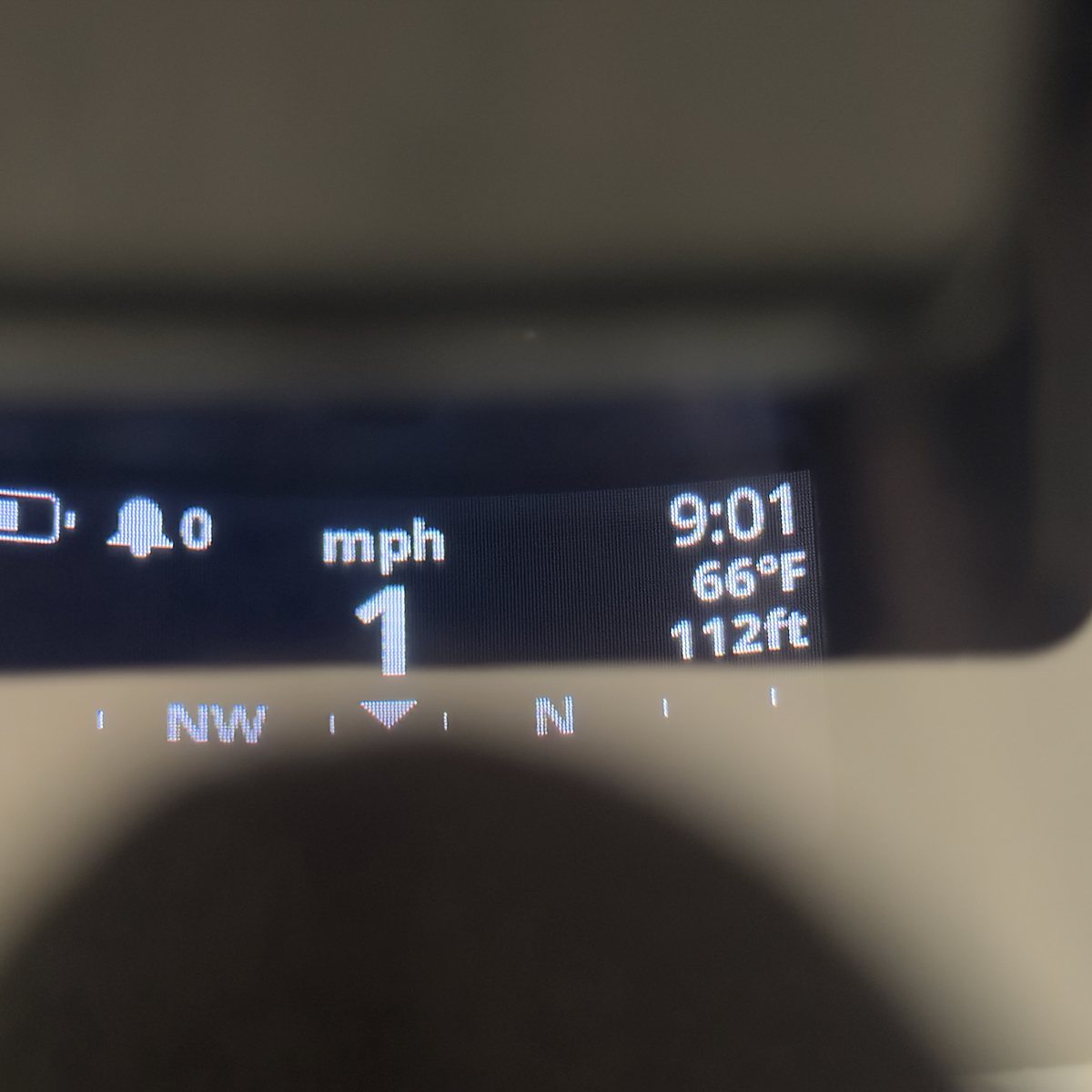
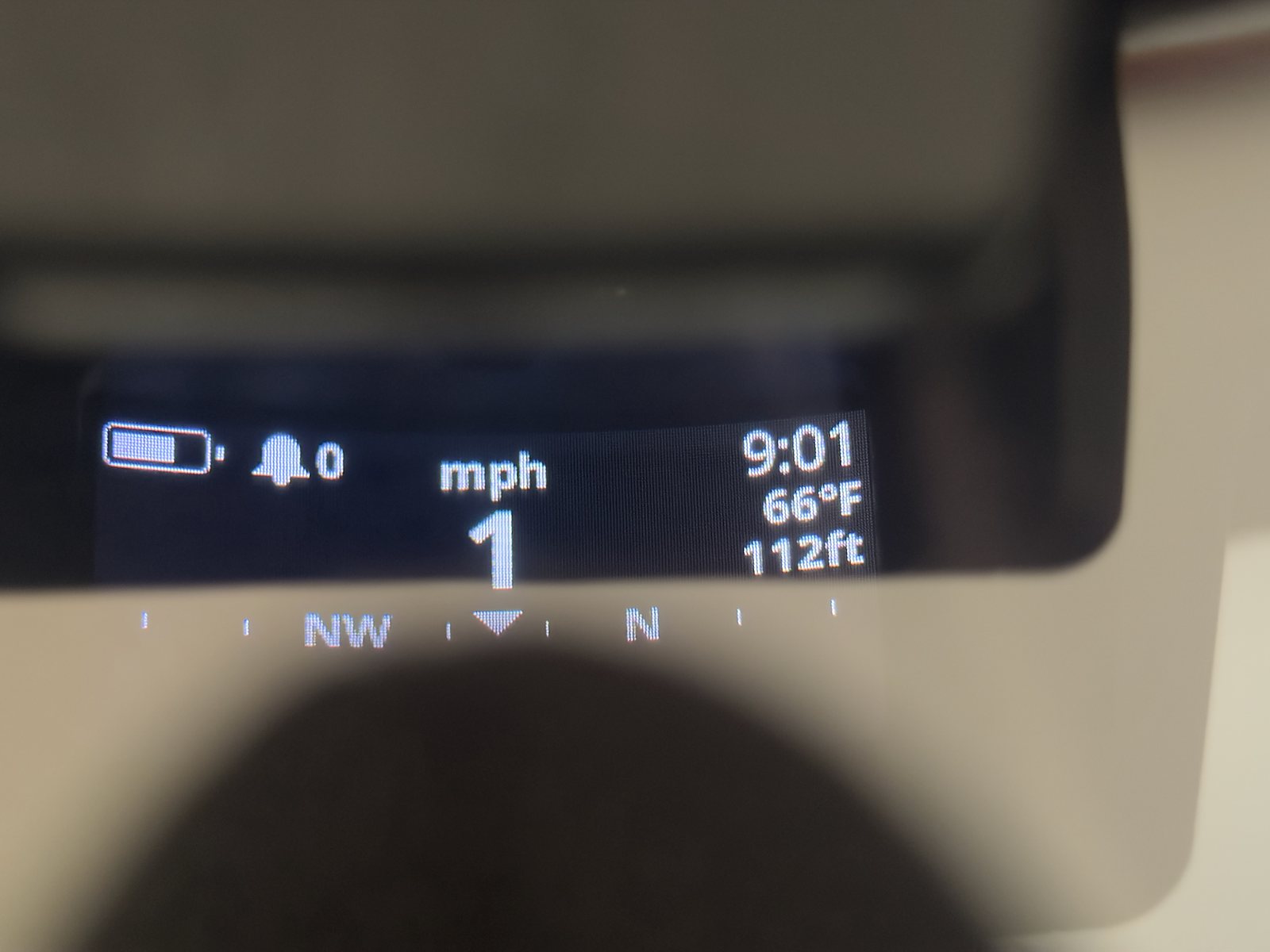
The dashboard shows battery, notifications, speed in mph, the time, temperature, elevation, and a compass arc along the bottom. That is the view in the photo at the top of this page.
The menu holds six items:
- Maps, which is also where the buddy finder lives
- Music
- Phone
- Text
- Stats
- Dashboard, to return to the default view
Note that finding your friends is not a separate menu entry. It sits inside Maps, which makes sense once you have used it, because knowing a friend is 400 meters northeast is only useful against a picture of the mountain.
The photograph at the top of this page is that dashboard shot through the lens, which is the view no press photo shows you. Battery and notifications sit on the left, speed in the middle, time, temperature and elevation on the right, and the compass arc runs along the bottom.
Worth noting that temperature is on the dashboard even though it does not appear in the headline feature list. On a cold morning it is more useful than the speed readout.
A single glove-friendly button drives everything. You hold it and look up, down, left or right to pick what you want, then release. It works with mittens, which is not a given for this kind of thing.
The map is new this season, and the 2025 goggles got it too
There is now a map in the heads-up display itself rather than only in the phone app. It is new this season and no existing review mentions it, because it did not exist when they were written.
The part that actually matters: our 2025 pair picked it up through a firmware update. This is not a reason to buy the 2026 model, and we would rather say so than let you infer otherwise from the fact that we photographed it on the newer pair.
It is worth pausing on that, because it is the most useful thing we can tell you about spending $399 here. Rekkie has been shipping real features to hardware people already own instead of holding them back for the next model. Most companies in this category do the opposite. It means a pair bought now is a reasonable bet to be more capable in a year, and it means the gap between generations is narrower than the marketing implies.
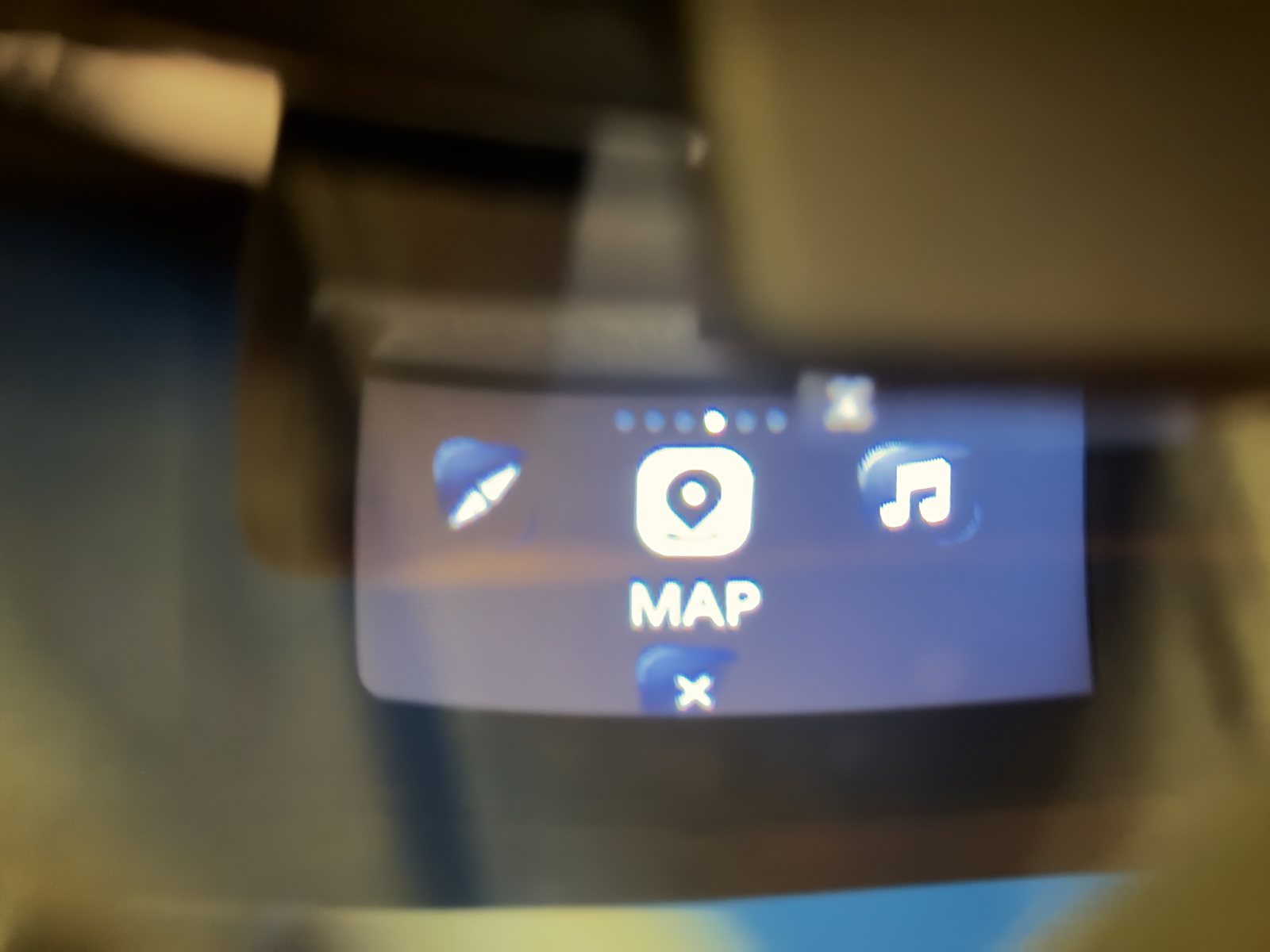
Fair warning on the limits of our own evidence here. A map needs you to be on a mountain before it draws anything useful, so what we can show you from a kitchen table is the menu entry rather than a rendered trail map. We would rather show you that than stage something misleading.
Battery life, and the number that needs context
Rekkie advertises over 50% longer battery on the 2026 model. Having skied both, we would put the difference between the 2025 and the 2026 at roughly 10%, and honestly it is hard to measure, because how long a charge lasts depends heavily on how much you interact with the display.
That is not us calling the claim false. Against the earlier models the difference is enormous, and that is almost certainly what the 50% figure is measured against. If your reference point is the original goggles that got reviewed in 2023, the improvement is real and large. If your reference point is a 2025 pair sitting in your gear bag, it is not.
The practical answer: you get about 5 to 6 hours of skiing from a charge. For most people that is a full day. If you are out longer, a small power bank in a pocket tops them up while you are having lunch, and that removes the problem entirely. This is the honest resolution to the battery criticism in the older reviews. It was a real complaint about the original hardware, and on current hardware it is a minor piece of trip planning rather than a flaw.
The magnetic lenses and the new shape are the real 2026 upgrade
If you strip out the things that arrived by firmware and the battery figure that does not hold up between these two generations, what is left is the hardware. That is the honest case for the 2026 model, and it is a decent one.
The magnetic quick-change lens system. Swapping lenses when the light turns is quicker and far less fiddly than wrestling a lens out of a frame with cold hands. Tahoe light changes fast, and a swap you will actually bother to do is worth more than a lens you leave in the bag.
The reshaped frame and a smaller electronics housing. The 2026 is a sleeker goggle. The enclosure holding the electronics is less obtrusive than it was, which is the main thing that used to mark these out as a gadget rather than a pair of goggles.
Beyond those two things, the models perform similarly. We would rather say that plainly than manufacture a bigger gap than exists.
Should you upgrade from a 2025 pair?
Probably not. Buy it for the magnetic lenses and the slimmer frame or do not buy it at all, because those are the only things a 2025 pair cannot get.
Specifically, do not upgrade for the map, because your existing goggles will get it by firmware. Do not upgrade for the battery either, because the difference between these two generations is around 10%.
If you are buying your first pair, buy the 2026. There is no reason to start a generation behind when the price is the same.
The coaching question: does a HUD make you a better skier?
Worth setting expectations before the answer. Speed is the visible tip of skiing, and it rests on line, which rests on fundamentals. We set that out in the performance iceberg, and it is the frame we judge any gadget against.
Here is where we will be less enthusiastic than a pure gear site, because this is our actual profession.
Speed and altitude are data, not coaching. Knowing you hit 42 mph tells you nothing about why your turns fall apart at the end of the day, and chasing a number on a display is a genuinely bad idea for most skiers. The fastest way down a run is rarely the way that teaches you anything, and a speed readout quietly encourages exactly the habit most intermediates need to break.
We say this as people who sell technology-assisted coaching. On our Mountain Mentorship days we use intercoms so a correction arrives while you are still in the turn, CARV to measure what your skis are doing, and video you keep afterwards. All of that exists because feedback has to be about the movement, delivered at the moment it can change something. A number in your peripheral vision is not that.
So no, a heads-up display will not make you a better skier. That is not a criticism of the product. It is a criticism of how this category tends to be sold.
Where it genuinely earns its place
The buddy finder, which lives inside Maps. This is the real feature and it solves a real problem. Seeing where the people you came with actually are, without stopping, without taking a glove off, without the phone-in-the-wind ritual, is worth more than every stat on the dashboard combined.
Anyone who has coached a family knows how much of a day gets eaten by regrouping. Mixed-ability groups split up constantly. One person drops into trees, someone else takes the blue while the rest take the black, and then everybody spends fifteen minutes at a lift junction working out where everyone went. Rekkie removes most of that, and on a big mountain like Palisades or Heavenly that is a meaningful amount of skiing recovered.
The group tracking also works without cell service using a radio transceiver, provided everyone in the group is wearing a pair.
One safety point that needs stating plainly: this is not an avalanche beacon and must never be used as one. It is a convenience feature for finding your friends on a resort trail, not a rescue device. If you are going into avalanche terrain you need a real beacon, a shovel, a probe, and the training to use all three.
Who should buy these
They make sense if you ski regularly with other people, especially on large resorts, or if you like your gear to be interesting. They are good goggles before the electronics are considered, and the photochromic lens handles changing light well.
They make less sense if you mostly ski alone, if you are on a tight budget where the same money buys excellent conventional goggles plus a lesson, or if you were hoping the technology would improve your skiing. For that last one, the money is better spent on coaching, and we would say that even if we did not sell it.
Frequently asked questions
How long does the battery actually last?
About 5 to 6 hours of skiing on a charge, which covers a normal day for most people. Cold weather shortens it, as it does with any lithium battery. A small power bank in a jacket pocket tops them up during a lunch break and makes the question go away.
Is the 2026 model really 50% better on battery than the 2025?
Not in our experience. We would call it roughly 10% between those two generations, and it is hard to measure because usage varies. Against the original goggles the improvement is much larger, and we think that is what the figure refers to.
Does the 2026 model have a map?
Yes, in the heads-up display itself rather than only in the phone app. It is new this season, which is why older reviews do not mention it.
Will my 2025 Rekkies get the in-goggle map?
Ours did, through a firmware update. So the map is not a reason to upgrade. It is a reason to feel better about owning either generation, because Rekkie has been shipping real features to hardware people already bought rather than saving them for the next model.
Is the 2026 model worth upgrading to from a 2025?
Only for the magnetic lens system and the slimmer reshaped frame, because those are the only things a firmware update cannot give your existing pair. The map arrives anyway and the battery difference is around 10%.
Can you use them with glasses?
The goggles are a standard snow goggle form factor with a helmet-compatible strap. If you normally need OTG goggles for your frames, check the fit before committing, because the electronics housing changes the profile slightly.
Are they an avalanche beacon?
No, absolutely not, and they must never be used as a substitute for one. The group tracking is for finding friends on the mountain. Backcountry travel requires a proper transceiver, shovel and probe, plus the training to use them.
Will they make me a better skier?
No. Speed and altitude readouts are data, not instruction. Improvement comes from feedback on your movement delivered while you are moving, which is what a coach with an intercom, video and CARV data provides. The goggles are a good piece of kit, not a teaching tool.
Skiing Tahoe this season? Our Mountain Mentorship days put a certified coach with your group for a full day, with continuous feedback while you ski. One price covers up to three people. If you want the honest version of what will actually move your skiing forward, tell us who is coming.