
Ski Coaching
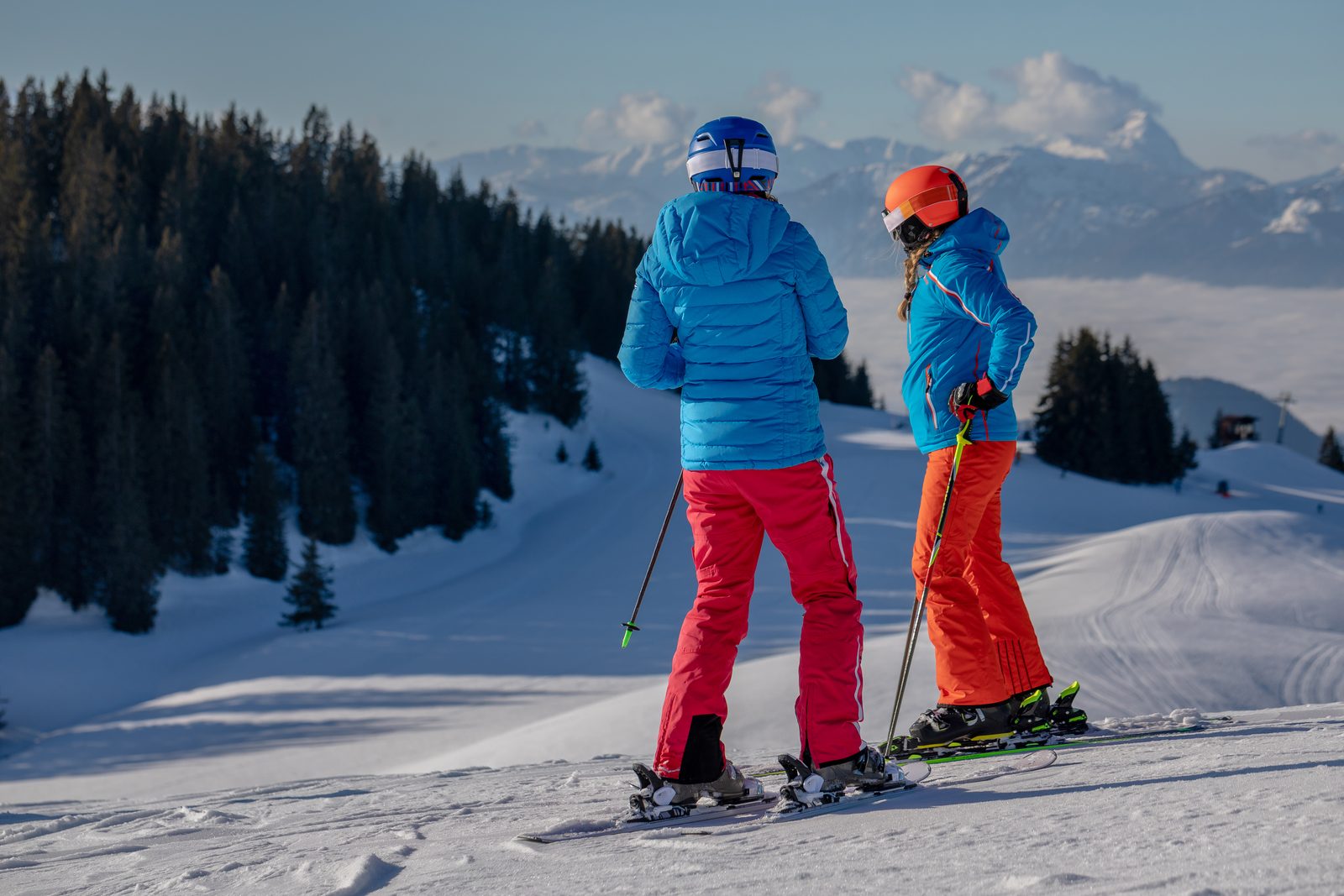
A traditional ski lesson is a one-way street: an instructor demonstrates, you copy, and the day is built around basic skills, drills and demos. Coaching goes beyond drills. It is a holistic, continuing approach built on guided discovery and collaboration, where we work out together what is happening in your skiing and what will change it.
SkiCoach.Me is a group of PSIA and AASI certified coaches working out of Sugar Bowl in Truckee, California. We run private lessons on that mountain, and mentorship experiences everywhere else we go. Every private lesson we teach is coached that way: we work on the movement underneath the problem rather than the symptom you noticed, and you are part of finding it.
Lesson or coaching?
The words get used interchangeably in marketing, which is not helpful when you are trying to decide. Here is how we separate them. A private lesson can be either one; what decides it is how the day is run.
| A lesson | Coaching | |
|---|---|---|
| How it works | One way: the instructor demonstrates, you copy | Guided discovery: we ask, you try, and we find what works together |
| Focus | Basic skills, through drills and demos | The whole skier: movement, tactics, terrain choice and confidence |
| Starts with | The next skill on the list | What we see you actually doing, and what you want from it |
| Timeframe | One session, start to finish | Continuing: each day builds on the last, over a season or several |
| Between sessions | Nothing | Video and specific things to practice, and why |
Drills and demos have their place, and we use them too. But if you have been skiing for a decade and keep hearing the same feedback, another round of drills will not fix that and neither will another decade. Even a single private lesson with us is coached, and it gives you something to carry into the next one.
What coaching actually involves
Guided discovery
Rather than telling you what to do, we set up the question and let you feel the answer. What you discover yourself tends to stay with you.
Movement analysis first
We watch you ski before we say anything. Most problems people describe are a downstream symptom of something happening earlier in the turn.
Video, used properly
Filmed, watched together, and compared side by side later in the season. Seeing your own skiing is usually more persuasive than being told about it.
Something to work on alone
You ski far more days without a coach than with one. Those days should be doing something for you.
How a coached day runs
- We talk first. What you want from the day, what has worked before, and anything that makes you nervous. Nerves are normal and they tell us where to start.
- We watch you ski. A few runs on terrain you already enjoy, so we see how you really move rather than how you move when you are worried.
- We find it together. We try a few options, ask what you felt, and keep the one that works for you. A drill is a tool here, not the lesson. Then we practice it where you are comfortable until it starts to happen on its own.
- Then a step up. Slightly harder terrain only once the new movement holds, so it comes with you instead of falling apart.
- Something to keep. Video from the day, and one or two things to practice on your own days, with the reason behind each.
Confidence before refinement
Being on skis can be scary, especially looking down something steeper than you are used to. What we have found works best is building fundamentals and confidence first, and refining them after.
When the terrain gets ahead of the skills, skiers fall back into a protective stance: a wedge, weight in the back seat, the upper body turning the skis. Coaches call this regression. All the progress from the easier runs goes overboard, and the habit that was trying to change gets practiced harder instead. Skiing a run and surviving one are two very different things.
So we pick the terrain to fit the skill you are building, not the other way round. It is also why the days tend to be fun: you spend them skiing well rather than holding on.
Why the movement, not the symptom
The most common thing we hear is some version of “I can’t ski steeps” or “I lose it in bumps”. Those are almost never problems with steeps or bumps. They are usually a stance or timing issue that groomed runs let you get away with and steeper terrain does not.
Fixing it on the steep run is slow, frightening and tends not to stick. Fixing it where you are comfortable, then taking it to the steep run, is faster and holds up under pressure. That is a big part of what coaching is.
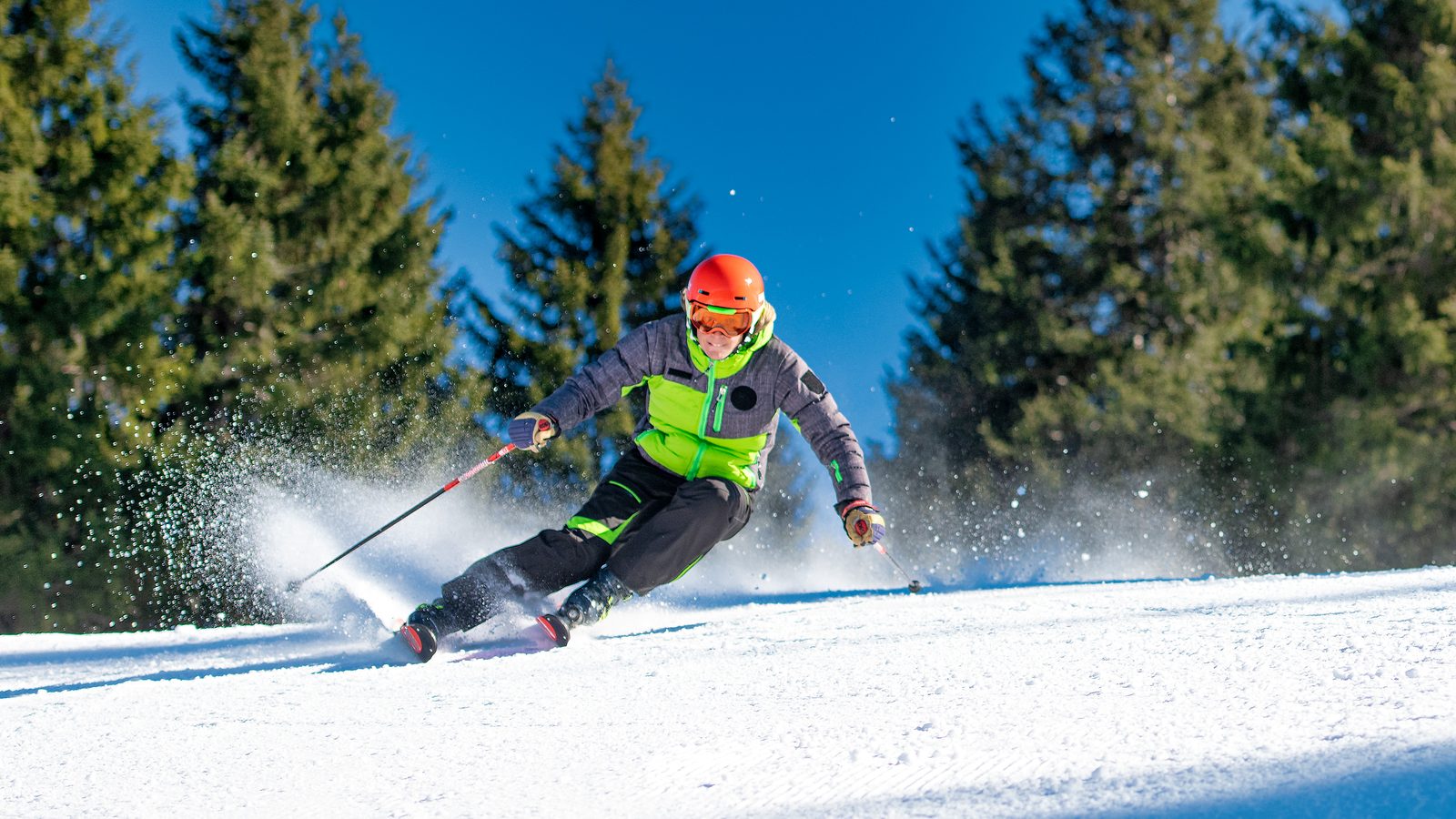
A fair warning. Real movement changes usually feel worse before they feel better, and often look worse for a session or two. A great afternoon is worth having, but a movement that holds up under pressure usually takes a little longer, and we would rather tell you that up front.
Who this is for
Intermediate and advanced skiers who have plateaued are the clearest fit, because they have enough mileage for a pattern to have set and enough skill to change it deliberately.
It also works for committed beginners, particularly kids, where the value is building the pattern correctly the first time rather than unpicking it in fifteen years. Alex is a certified children’s specialist and most of that work happens at Sugar Bowl.
Racers and aspiring instructors are the third group. If you are working toward a PSIA certification, the exam is scored on movement analysis and demonstration, and both are coachable.
Private lessons and mentorship
Private lessons run at Sugar Bowl. It is our home mountain, we know the terrain progression on it, and it is the only place we sell a private lesson.
Beyond Sugar Bowl, we offer our mentorship program at some of the most popular resorts in the Tahoe area and at destinations abroad. It is a different product: a mentoring program rather than a lesson. An experienced, certified instructor skis or rides with you as your mentor. It is a collaboration: you shape the day together around your goals, with feedback and specific guidance along the way, and your videos and detailed written feedback follow.
Snowboard coaching
Everything on this page applies to snowboarders too. The movements are different, but the method is the same: watch what you are actually doing, find the movement underneath the problem, and give you something to work on alone.
Our snowboard coach is Jason, PSIA-AASI Snowboard Level II, who coaches only snowboarding. Riders who have stalled at “I can get down anything, but it isn’t pretty” are the clearest fit, along with riders who want to carve properly or ride steeper terrain with control. Snowboard coaching happens in private lessons at Sugar Bowl; see private snowboard lessons at Sugar Bowl. Book it through us rather than the resort’s general booking form, so the day is tied to Jason instead of whoever is available. If you have never ridden before, start with what your first day snowboarding at Tahoe looks like.
The coaches
Four coaches, all PSIA or AASI certified, each with a different specialty rather than four people offering the same thing. You pick your coach, and booking through us ties the day to that person.
- Alex: PSIA Alpine, Children’s Specialist. Kids, families and intermediate to advanced skiers.
- Jon: PSIA Alpine Level III, Children’s and Senior Specialist 2, Resort and Advanced Trainer. Carving, racing, experts and beyond, and PSIA exam preparation.
- Jason: PSIA-AASI Snowboard Level II, Children’s Specialist. Snowboarding only.
- Jeff: PSIA Alpine Level II, more than 50 years on skis and 30 coaching. Powder and off-piste.
More about each of them on meet our coaches. Not sure what the levels mean? We explain them in what PSIA certification levels actually mean.
Frequently asked questions
What does a ski coach do?
A ski coach works with you rather than at you: watching how you ski, finding the movement behind the habit you want to change through guided discovery, and building on it from one day to the next. Video and a few things to work on alone keep the progress going between sessions.
What is the difference between a ski coach and a ski instructor?
In practice the certification is the same one, and plenty of excellent instructors coach. The difference is the approach rather than the person. Traditional instruction is mostly one way, with basic skills taught through drills and demos. Coaching is a collaboration that looks at your whole skiing and carries on past a single day. We use “coach” because that is how we work, in every private lesson.
How many sessions before I see a change?
You will feel something different in the first one, because a new movement always feels odd. Whether it has become your default takes longer and depends far more on what you do on your own days than on how many sessions you book.
Do I need to be a good skier already?
No, but coaching gives the most back to people who already have mileage. If you are genuinely new, a beginner lesson is the better purchase and we will tell you so.
Can you coach snowboarding?
Yes. Jason is AASI certified and the approach is the same. Different equipment, same principle of working on the movement rather than the symptom. See private snowboard lessons at Sugar Bowl.
Do you coach for PSIA exams?
Yes. Exam prep is its own thing, since you are being scored on demonstration and movement analysis rather than on getting down the hill well, and both can be worked on deliberately.
How much does ski coaching cost?
Private lessons at Sugar Bowl are priced by the resort and change by date, and one lesson covers up to five people (the rate covers three; a 4th and 5th are $80 each). Midweek days are the best value. Our guide to what ski lessons cost at Lake Tahoe covers the options.
Is coaching worth it for an intermediate skier?
Intermediates often get the most from it. You have enough mileage for a habit to have set and enough skill to change it, and a few well chosen changes open up the rest of the mountain.
Where do lessons take place?
Private lessons are at Sugar Bowl. Other mountains are mountain mentorship days, which work differently. Each resort page explains what runs there.